Advocate Yukta Nayyar ☏ +91 98038 04835

Resolving Property Disputes Through Law
A detailed look at how property disputes arise and how Indian law helps resolve them effectively.
Advocate Yukta Nayyar
10/14/20251 min read
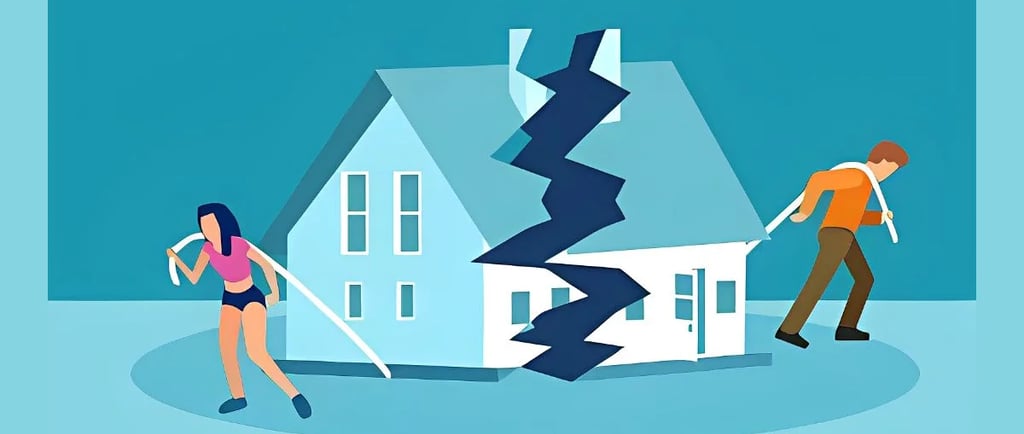

Property is one of the most valuable forms of wealth, but also the most disputed. Ownership, inheritance, and possession issues often lead to lengthy conflicts between families, buyers and sellers, or even government authorities.
In India, property disputes are governed by a mix of civil law, land and revenue law, and personal laws related to inheritance.
Common Causes of Property Disputes
Unclear ownership or missing records.
Family inheritance and partition disputes.
Encroachment or illegal possession.
Fraudulent sale or multiple claims on the same land.
Boundary and demarcation issues.
Legal Remedies for Property Disputes
The remedies depend on the nature of the problem:
Suit for Declaration: to establish ownership or rights.
Suit for Possession: to recover property from illegal occupation.
Suit for Partition: between co-owners or family members.
Injunctions: to stop construction, sale, or encroachment.
In addition to civil courts, revenue authorities handle land record issues such as mutation, correction of entries, and partition of agricultural land.
Preventive Steps
Always verify ownership through updated revenue records (Jamabandi, Mutation, Fard).
Register every sale or family settlement properly.
Avoid oral agreements.
Resolve family partitions through written deeds.
Conclusion
Most property disputes arise from unclear records or delayed documentation. Taking preventive measures and following the proper legal process helps maintain peace and secure ownership. Timely legal guidance ensures that rightful owners are protected and disputes are settled through due process of law.
Services
Expert legal advice across various practice areas - Civil, Criminal, Divorce and Matrimonial, Bail Matters, Property Contract Disputes, Insurance claim disputes, Cheque bounce, Family Divisions.
Phone
© 2025. All rights reserved.
quick links